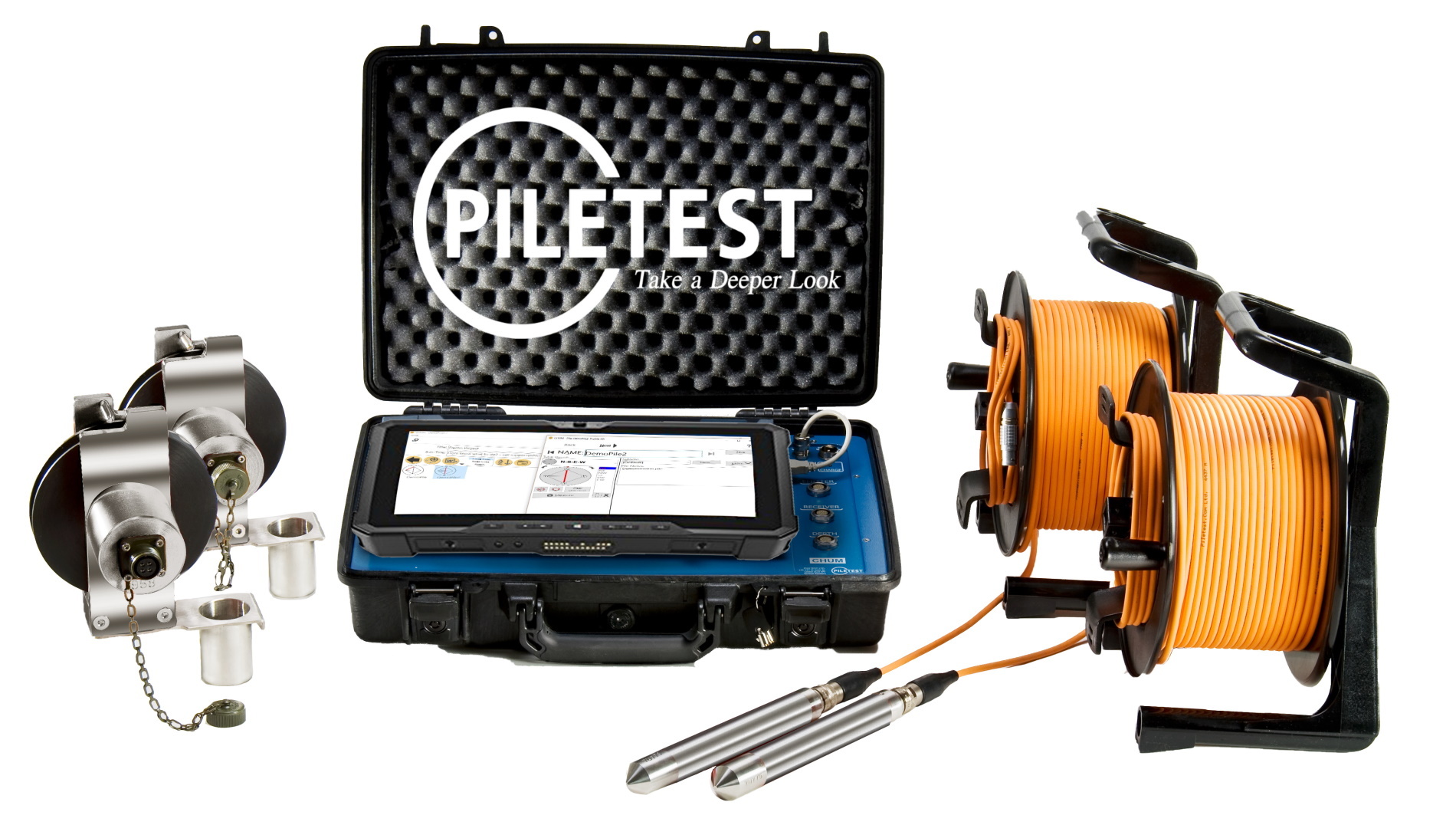
In the realm of geotechnical engineering and construction, crosshole tomography imaging has emerged as a pivotal technique to ensure the integrity and reliability of subsurface structures. As construction projects grow increasingly complex, the demand for precise and reliable testing methods has never been higher. Crosshole tomography imaging, with its advanced capabilities, offers a window into the subsurface world, enabling engineers to make informed decisions based on concrete data and insights.
Understanding Crosshole Tomography Imaging
Crosshole tomography imaging is a non-destructive testing method used primarily for assessing the condition of concrete structures, such as piles, shafts, and other foundational elements. This technique involves the transmission and reception of ultrasonic waves between a series of boreholes drilled around or through the structure in question. The data collected is then used to create detailed images that reveal the internal state of the structure.
Key Benefits of Crosshole Tomography Imaging
- Provides high-resolution images of the internal structure.
- Identifies defects such as voids, honeycombing, and inclusions.
- Offers a non-invasive method to evaluate structural integrity.
- Enhances decision-making processes by providing accurate data.
For those interested in exploring advanced guides and tips on crosshole tomography, learn about our tailored solutions that can elevate project outcomes.
Applications in Modern Construction
Crosshole tomography imaging is extensively used in various construction domains to ensure that structures meet the required safety and stability standards. Its applications include:
- Pile Integrity Testing: Evaluate the integrity of deep foundations such as bored piles and drilled shafts.
- Geotechnical Investigations: Assess subsurface conditions to aid in the design and construction of new projects.
- Bridge and Tunnel Construction: Monitor the structural health of critical infrastructure.
To discover expert strategies here and understand how these applications can be implemented effectively, access comprehensive resources that guide through the process.
Technological Advancements
The evolution of technology has significantly enhanced the capabilities of crosshole tomography imaging systems. Modern equipment offers improved accuracy, faster data processing, and more intuitive software interfaces. Key advancements include:
- Enhanced signal processing techniques for clearer image resolution.
- Integration with digital platforms for real-time data analysis.
- Automated systems that reduce the need for manual intervention.
For those aiming to stay ahead in the field, find out more about this approach and how these technological advancements can be leveraged to improve project efficiency.
Conclusion
Crosshole tomography imaging stands as a cornerstone in the toolbox of modern geotechnical engineers and construction professionals. Its ability to provide detailed insights into the subsurface world ensures that projects are built on a foundation of quality and safety. As the industry continues to evolve, staying informed about the latest methodologies and technologies is crucial for success. To deepen your understanding and access a wealth of knowledge, explore advanced guides and tips that can transform the approach to construction and engineering challenges.