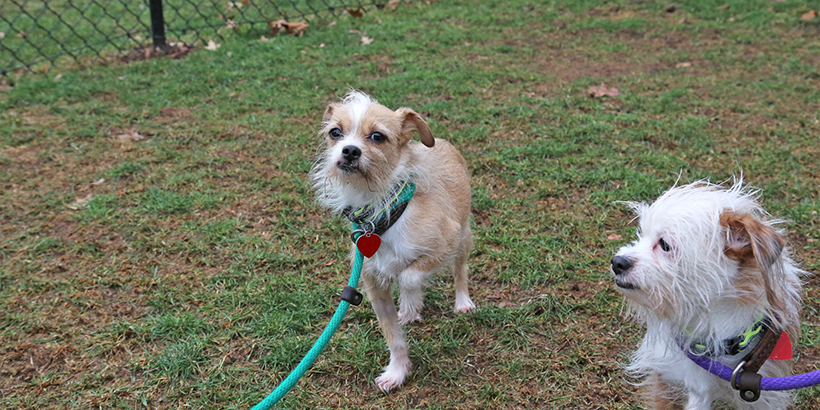
For many dog owners, ensuring their furry companions are happy and healthy is a top priority. Engaging your small dog in a small dog play group can be a fantastic way to stimulate their minds and bodies. These groups offer an excellent opportunity for dogs to socialize, learn new skills, and burn off energy. Here, we explore various activities that can be incorporated into play sessions to keep your pooch entertained and engaged.
Benefits of Play Groups
Small dog play groups are more than just fun; they provide numerous benefits that contribute to the overall well-being of your pet. Some of the advantages include:
- Enhanced social skills: Dogs learn to interact with others, improving their social behavior.
- Physical exercise: Regular play helps maintain a healthy weight and promotes cardiovascular health.
- Mental stimulation: Engaging activities stimulate a dog?s mind, reducing boredom and destructive behavior.
- Improved confidence: Interacting with different environments and dogs boosts a dog’s self-esteem.
Engaging Activities for Small Dogs
Interactive Toys and Games
Interactive toys are a staple in small dog play group settings. These toys challenge dogs mentally and physically, keeping them occupied for hours. Some popular options include:
- Puzzle toys: These toys require dogs to solve a puzzle to receive a treat, enhancing problem-solving skills.
- Fetch games: A classic activity that encourages physical exercise and improves retrieval skills.
- Tug-of-war ropes: This game builds strength and is a great bonding activity with humans and other dogs.
Agility Courses
Agility courses are an exciting way to challenge small dogs physically. These courses can be set up in a backyard or a designated play area and can include:
- Tunnels: Encourage dogs to run through tunnels, which can be a thrilling and confidence-boosting exercise.
- Weave poles: These poles improve a dog?s coordination and agility as they navigate through them.
- Jump hurdles: Adjustable hurdles allow dogs to practice jumping, enhancing their agility and strength.
Socialization Sessions
Creating a controlled environment where dogs can interact freely is crucial for their social development. Socialization sessions in a small dog play group help dogs learn appropriate play behaviors and develop friendships. These sessions often involve:
- Supervised playtime: Ensuring a safe and friendly interaction among dogs of similar sizes and temperaments.
- Structured activities: Games like hide and seek or group fetch that involve multiple dogs.
- Calm relaxation periods: After play, a quiet time helps dogs wind down and reinforces positive behavior.
Planning a Successful Play Group
Organizing a successful small dog play group requires careful consideration of several factors, such as:
- Location: Choose a safe and enclosed space where dogs can play freely without escaping.
- Group size: Limit the number of dogs to ensure effective supervision and reduce potential conflicts.
- Compatibility: Match dogs based on size, temperament, and energy levels to foster harmonious play.
- Health and safety: Ensure all participating dogs are vaccinated and in good health to prevent the spread of illnesses.
Incorporating these activities into a small dog play group not only enhances the experience for your pooch but also ensures they receive the physical and mental stimulation they need to thrive. With careful planning and creativity, play groups can be a rewarding and fun-filled adventure for both dogs and their owners.