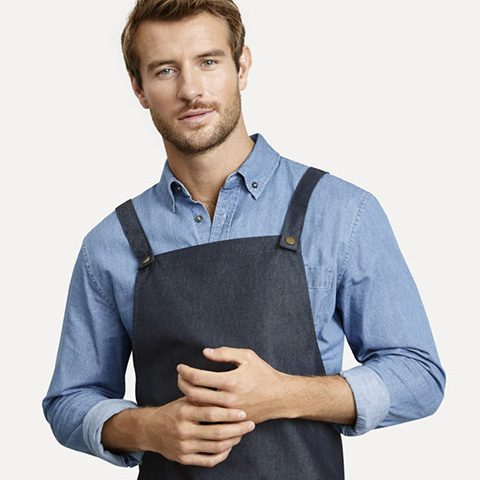
Selecting the right safety clothing is essential in maintaining a safe workplace environment, especially in industries where workers are exposed to hazardous conditions. Durable safety clothing not only provides protection but also ensures comfort and flexibility, allowing workers to perform their tasks efficiently. Understanding the key factors that contribute to the durability of safety clothing can guide you in making informed decisions. This article provides insights into selecting durable safety clothing, focusing on material quality, compliance with safety standards, and other critical considerations.
Understand the Material Quality
The durability of safety clothing largely depends on the materials used in its construction. When selecting safety clothing, consider the following materials:
- Cotton Blends: Offers comfort and breathability, making them suitable for long-term wear.
- Polyester: Known for its strength and resistance to chemicals, providing excellent durability.
- Kevlar: Ideal for environments requiring cut and puncture resistance, such as construction sites.
- Nomex: Used in fire-resistant clothing, offering protection against flames and high temperatures.
Choosing the appropriate material depends on the specific hazards present in your workplace. Explore further insights here on material options and their specific applications.
Check Compliance with Safety Standards
Safety clothing must comply with industry-specific safety standards to ensure protection against various hazards. Checking for compliance with these standards is crucial:
- ISO Standards: Ensure the clothing meets international quality and safety standards.
- OSHA Guidelines: Compliance with Occupational Safety and Health Administration guidelines assures safety in the workplace.
- EN Standards: European standards that provide specifications for personal protective equipment (PPE).
To ensure your safety clothing meets these rigorous standards, find additional information here about the importance of compliance and how it affects durability and safety.
Assess the Work Environment
The specific conditions of your workplace play a significant role in determining the type of safety clothing required. Consider the following environmental factors:
- Temperature: Choose materials that provide adequate insulation or breathability as needed.
- Moisture Levels: Waterproof materials are essential for wet environments.
- Chemical Exposure: Select clothing that resists chemical penetration and degradation.
Understanding environmental factors can significantly impact the durability and functionality of safety clothing. Read more about this topic and how to tailor your choices based on environmental assessments.
Consider Comfort and Fit
While durability is crucial, the comfort and fit of safety clothing should not be overlooked. Properly fitting clothing ensures that workers can move freely and safely perform their duties. Consider these aspects:
- Size and Fit: Ensure the clothing allows for flexibility and movement without being too loose or tight.
- Weight: Lightweight materials are preferable for tasks requiring extensive mobility.
- Ventilation: Proper airflow is essential for comfort, especially in hot environments.
For more information on achieving the right balance between comfort and durability, learn more in this detailed guide.
Evaluate Cost versus Durability
Investing in durable safety clothing can be cost-effective in the long run. Although initial costs may be higher, durable clothing reduces the frequency of replacement, ultimately saving money. Consider these points:
- Initial Investment: Higher quality materials may have a higher upfront cost but offer long-term savings.
- Maintenance: Durable clothing often requires less maintenance, enhancing longevity.
- Replacement Frequency: Less durable clothing may need frequent replacements, increasing overall costs.
Balancing cost with durability is essential. Explore further insights here on making cost-effective decisions without compromising safety.
In conclusion, selecting durable safety clothing involves a comprehensive evaluation of materials, compliance with safety standards, workplace environment, comfort, and cost considerations. By prioritizing these factors, you can ensure the safety and efficiency of your workforce. For additional guidance on selecting the right safety clothing, find additional information here.