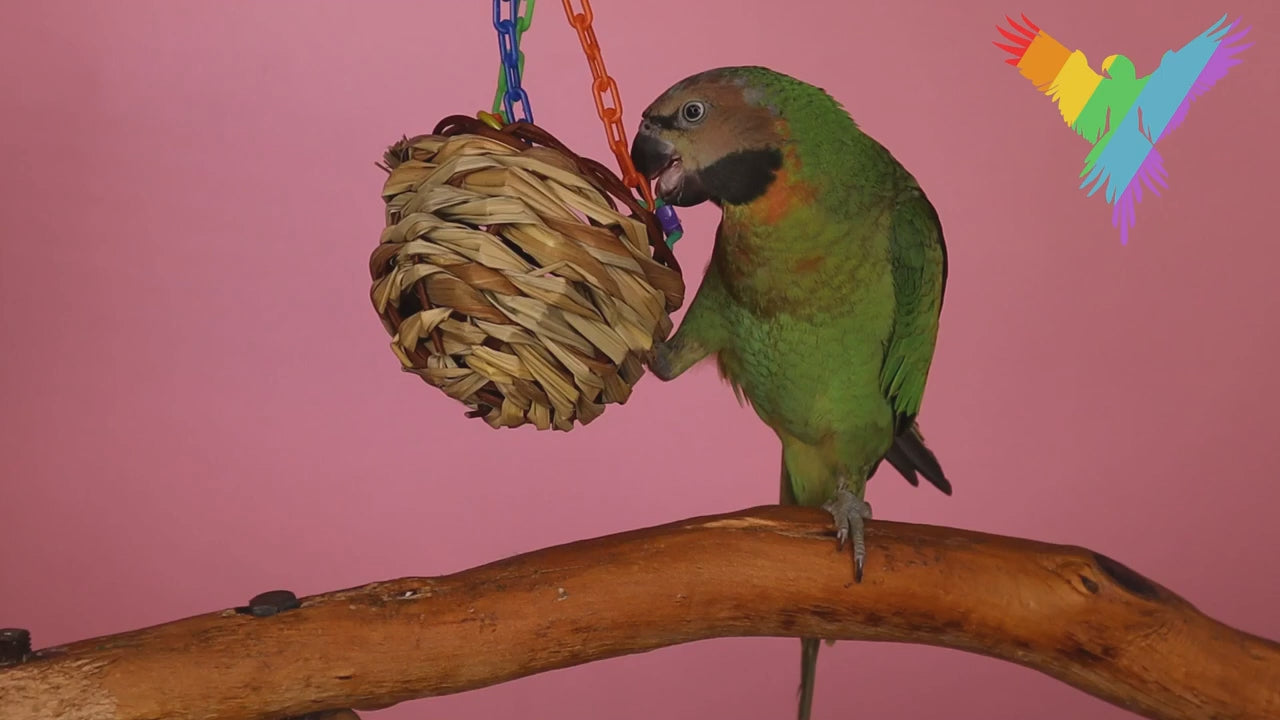
Parakeets, with their vibrant plumage and cheerful demeanor, are a popular choice for pet enthusiasts. Ensuring these delightful birds receive optimal nutrition is paramount for their health and longevity. Selecting the best parakeet food involves understanding their dietary needs, recognizing quality ingredients, and making informed choices that cater to their well-being. This guide aims to provide comprehensive insights into choosing the right food to promote your parakeet?s optimal health.
Understanding Parakeet Dietary Needs
Parakeets require a balanced diet that mimics their natural food intake in the wild. This includes a mix of seeds, fruits, vegetables, and other essential nutrients. By understanding their nutritional requirements, owners can ensure their pets thrive:
- Seeds: While seeds are a staple in a parakeet’s diet, they should be part of a varied diet to prevent nutritional deficiencies.
- Fruits and Vegetables: Fresh fruits and vegetables provide essential vitamins and minerals.
- Pellets: Formulated pellets can offer a balanced nutrient profile, complementing other foods.
Choosing Quality Ingredients
Seeds and Grains
Quality seed mixes are vital for parakeet nutrition. Look for products that include a variety of seeds and grains:
- Millet
- Canary seeds
- Oats
For a deeper understanding of seed selection, explore advanced guides and tips on choosing the finest seed mixes.
Fruits and Vegetables
Incorporating fresh produce into a parakeet’s diet is crucial for vitamin intake:
- Fruits: Apples, pears, and berries are excellent choices.
- Vegetables: Leafy greens, carrots, and bell peppers provide essential nutrients.
Pellets
Pellets should form a core part of a parakeet’s diet due to their balanced nutritional content. Ensure the pellets are:
- Free from artificial colors and flavors.
- Rich in essential vitamins and minerals.
For pellet options that meet these criteria, discover expert strategies here.
Common Feeding Mistakes to Avoid
Ensuring optimal health for parakeets also involves avoiding common dietary pitfalls. Here are some mistakes to avoid:
- Over-reliance on Seeds: Seeds alone do not provide a complete diet and can lead to obesity and nutritional deficiencies.
- Ignoring Fresh Produce: Neglecting fruits and vegetables can result in vitamin deficiencies.
- Improper Pellet Selection: Choosing low-quality pellets can undermine health benefits.
To ensure a well-rounded diet, find out more about this approach and how to balance different food types.
Tips for Feeding Your Parakeet
Implementing a feeding routine that mirrors natural eating habits can enhance your parakeet’s health:
- Variety: Rotate different food types to maintain interest and provide a range of nutrients.
- Freshness: Offer fresh food daily and remove any uneaten portions to prevent spoilage.
- Observation: Pay attention to your parakeet’s preferences and adjust the diet accordingly.
To delve deeper into feeding strategies, learn about our tailored solutions to enhance your parakeet’s diet.
In conclusion, providing the best food for your parakeet involves understanding their dietary needs and choosing high-quality ingredients. By avoiding common feeding mistakes and implementing effective feeding strategies, parakeet owners can ensure their feathered friends enjoy a healthy, vibrant life. For more insights and recommendations, explore advanced guides and tips tailored to parakeet nutrition.