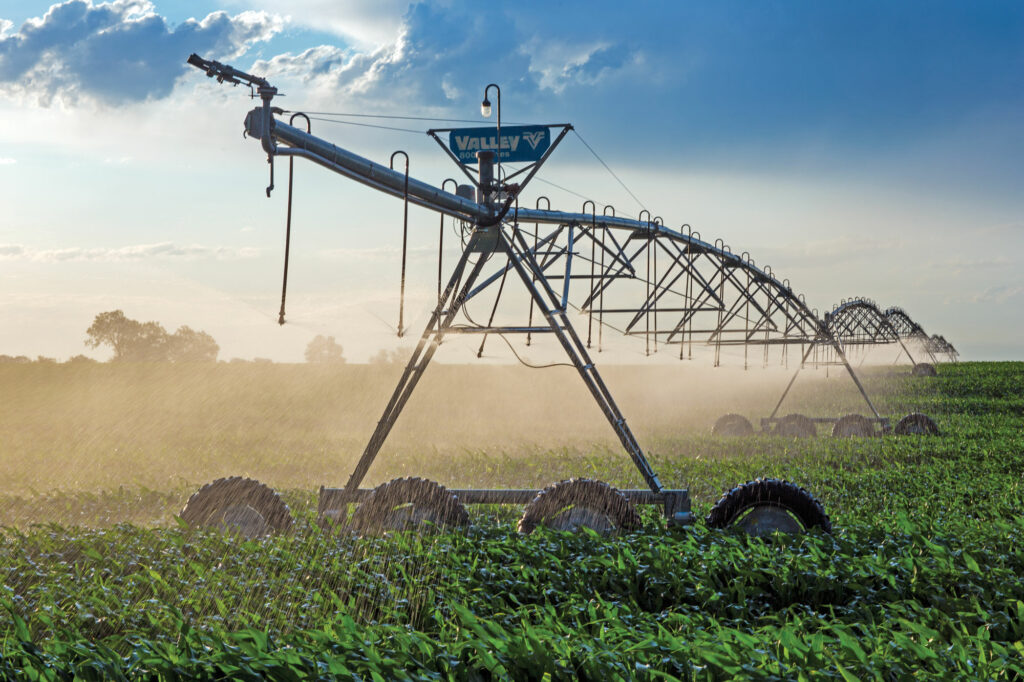
In today?s fast-paced world, efficiency is key for both homeowners and agricultural professionals. Managing irrigation can be a time-consuming and costly task if not handled correctly. However, the advent of remote control irrigation controllers has revolutionized how we approach watering needs. These devices offer savings in both time and money, providing a streamlined solution to maintain optimal plant health and water conservation. By integrating advanced technology directly into irrigation practices, users can achieve a higher level of control and precision. For those interested in maximizing their irrigation efficiency, the benefits of remote control irrigation controllers are worth exploring.
Understanding Remote Control Irrigation Controllers
Remote control irrigation controllers are devices that allow users to manage their irrigation systems from afar, using a smartphone, tablet, or computer. This technological advancement has transformed traditional irrigation practices by offering several advantages:
- Convenience: Control your irrigation system from anywhere in the world, eliminating the need for on-site adjustments.
- Efficiency: Program specific watering schedules and monitor system performance in real-time.
- Water Conservation: Automatically adjust watering based on weather conditions, reducing water waste.
- Cost Savings: Optimize water usage to lower utility bills and reduce unnecessary water consumption.
- Enhanced Plant Health: Ensure consistent and appropriate watering, fostering healthy plant growth.
For more guidance on implementing these devices, discover expert strategies here.
Key Features and Benefits
Scheduling and Automation
Remote control irrigation controllers offer advanced scheduling capabilities. Users can set specific times for irrigation, aligning with optimal watering periods such as early morning or late evening. Automation features mean that once the schedule is set, the system can operate independently, reducing the need for constant oversight. Learn about our tailored solutions that can help in setting up these systems effectively.
Weather-Based Adjustments
One of the standout features of these controllers is their ability to adjust based on real-time weather data. By integrating with local weather stations, the controller can skip or adjust watering schedules during periods of rain or high humidity, ensuring that water is not wasted. This feature is particularly beneficial in regions with unpredictable weather patterns, where manual adjustments may not be timely or efficient.
Remote Monitoring and Alerts
These controllers are equipped with remote monitoring capabilities, allowing users to receive alerts and updates about their system’s status. Whether it’s a notification about a malfunction or confirmation that the watering schedule has been completed, these alerts keep users informed and in control. Explore advanced guides and tips on setting up effective monitoring systems.
Implementing Remote Control Irrigation Controllers
To fully leverage the benefits of remote control irrigation controllers, it is important to consider the specific needs of your landscape or agricultural area. Here are some steps to ensure successful implementation:
- Assess your current irrigation needs and identify areas for improvement.
- Choose a controller that offers the features most relevant to your situation, such as weather-based adjustments or specific scheduling capabilities.
- Ensure proper installation, possibly consulting with a professional for complex systems.
- Regularly monitor and adjust settings as necessary to maintain optimal performance.
For more detailed information on setting up these controllers, find out more about this approach.
Conclusion
Remote control irrigation controllers represent a significant advancement in irrigation technology, offering users unprecedented control and efficiency. By integrating these devices into their irrigation practices, users can save both time and money while promoting sustainable water use and enhancing plant health. For those looking to modernize their irrigation systems, exploring the capabilities of remote control irrigation controllers is a promising first step.