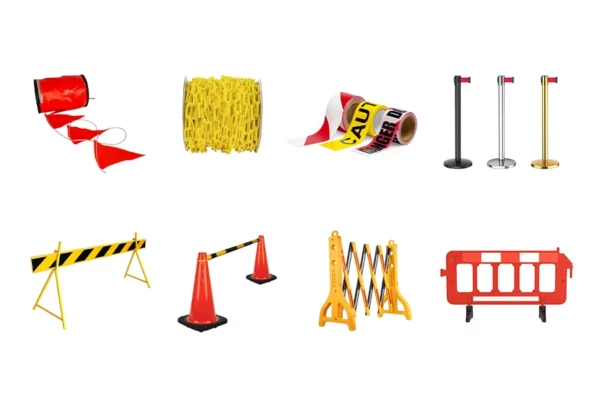
Traffic management is crucial for ensuring the safety and efficiency of roadways. A vital component of this process is the use of traffic barriers, which help to direct and control the flow of vehicles and pedestrians. These barriers come in various forms, each serving a specific purpose depending on the environment and circumstances. Understanding the different types of traffic barriers and their applications can significantly enhance road safety and traffic control measures. This article delves into the various types of traffic barriers, offering insights into their uses and benefits.
Permanent Traffic Barriers
Permanent traffic barriers are designed for long-term use and are typically constructed from durable materials such as concrete or steel. These barriers are ideal for areas where consistent traffic direction and safety are necessary.
- Concrete barriers provide robust protection and are often used on highways to prevent vehicles from crossing into oncoming traffic lanes.
- Steel barriers are versatile and can be adapted for different applications, including bridge protection and delineation of traffic lanes.
For more insights into permanent traffic barrier solutions, explore advanced guides and tips.
Temporary Traffic Barriers
Temporary traffic barriers are essential for situations that require short-term traffic control, such as construction zones or special events. These barriers are typically easy to install and remove.
- Water-filled barriers are lightweight when empty, making them easy to position and relocate. Once filled, they provide a stable and effective barrier.
- Plastic barriers are commonly used due to their portability and visibility. They are effective in guiding traffic and can be quickly rearranged to meet changing needs.
Learn about our tailored solutions for temporary traffic control needs.
Crash Cushions
Crash cushions are critical for mitigating the impact of vehicular collisions. These devices are strategically placed to absorb energy and reduce damage to vehicles and occupants.
- Attenuators are designed to collapse upon impact, effectively dissipating kinetic energy and reducing the severity of a crash.
- Redirective crash cushions guide vehicles away from hazards, preventing them from re-entering traffic lanes.
Discover expert strategies here to enhance roadway safety with crash cushions.
Pedestrian Barriers
Ensuring the safety of pedestrians is just as important as managing vehicle traffic. Pedestrian barriers are specifically designed to guide and protect foot traffic.
- Guardrails are effective in preventing pedestrians from accessing dangerous areas, such as roadsides or construction zones.
- Temporary fencing can be used to direct pedestrian flow during events or emergencies, ensuring orderly movement and safety.
Find out more about this approach in managing pedestrian safety.
Conclusion
Traffic barriers play a crucial role in ensuring the safety and efficiency of both vehicle and pedestrian traffic. By selecting the appropriate type of barrier for the specific context, road managers can significantly enhance traffic control measures. Whether for permanent installations or temporary situations, understanding the various options available allows for informed decisions that promote safety and order on roadways. For those looking to implement effective traffic barrier solutions, exploring expert resources and strategies can provide invaluable guidance in achieving this goal.