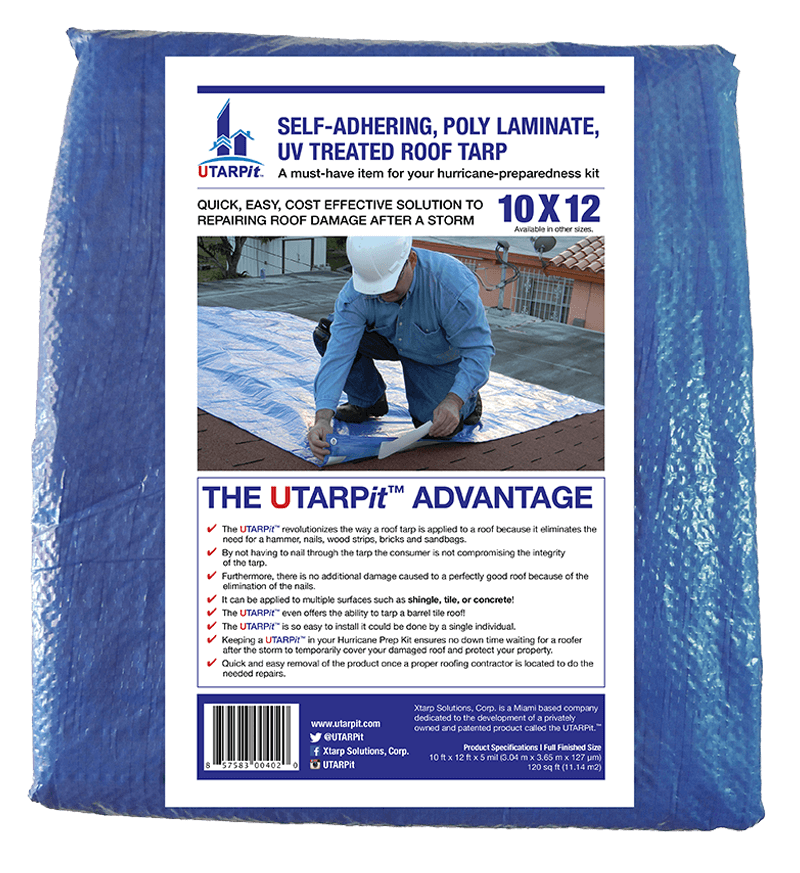
The use of tarpaulins, or tarps, is an effective temporary solution for protecting roofs from damage due to weather exposure, ongoing repairs, or unforeseen damages. Properly covering a roof with a tarp requires careful planning and execution to ensure safety and effectiveness. This guide provides comprehensive insights into using tarps to safeguard roofs, addressing key considerations and best practices for successful implementation.
Choosing the Right Tarp
Selecting the appropriate tarp is pivotal to ensure maximum protection. Factors to consider when choosing a tarp include:
- Size: Measure the area that requires coverage and choose a tarp that exceeds these dimensions to allow for secure anchoring.
- Material: Durable, waterproof materials such as polyethylene are recommended for their resilience in adverse weather conditions.
- Color: While often overlooked, the color of a tarp can influence heat absorption. Lighter colors typically reflect sunlight, reducing heat buildup.
For those seeking a reliable option, the 16 ft x 20 ft blue roofing tarp is designed to withstand harsh environments, making it a practical choice for various roofing needs.
Preparing the Roof
Prior to installing a tarp, thorough preparation of the roof area is crucial. Follow these steps to ensure a smooth setup:
- Inspect and Clean: Clear any debris, loose shingles, or dirt to create a stable surface for the tarp.
- Repair Damage: Address any significant issues such as leaks or structural weaknesses that could compromise tarp effectiveness.
- Gather Tools: Essential tools include a ladder, safety harness, hammer, nails, and wooden strips for securing the tarp.
Proper preparation lays the foundation for a secure tarping process. Discover expert strategies here for comprehensive preparation techniques.
Securing the Tarp
The method of securing the tarp is critical to ensure stability, especially in windy conditions. Here?s a breakdown of the procedure:
- Positioning: Lay the tarp over the roof, ensuring it covers the intended area with extra material extending beyond the edges.
- Anchoring: Use wooden strips to anchor the tarp edges. Secure the strips with nails, driving them through the tarp grommets and into the roof.
- Tensioning: Ensure the tarp is taut to prevent wind uplift and water pooling. Adjust as necessary to maintain tension.
For more detailed guidance on securing a tarp, learn about our tailored solutions that ensure optimal results.
Safety Considerations
Safety should be the top priority when working on roofs. Adhering to the following precautions can mitigate risks:
- Weather Conditions: Avoid working during adverse weather such as rain, snow, or high winds.
- Protective Gear: Use safety harnesses and non-slip shoes to prevent falls.
- Assistance: Having an extra pair of hands can facilitate tarp handling and enhance safety.
To ensure a secure tarping process, explore advanced guides and tips that prioritize safety and efficiency.
Conclusion
Using a tarp to cover a roof is an effective interim solution for protecting against environmental elements and ongoing repairs. By selecting the right tarp, preparing the roof adequately, and ensuring secure installation, homeowners can effectively safeguard their property. For those seeking further insights, find out more about this approach to ensure a successful tarping experience.