Hydraulic lift systems are integral to a multitude of industries, from manufacturing and automotive to construction and aviation. These systems rely on the principles of fluid mechanics to generate significant force for lifting and moving heavy loads. The seamless operation of a hydraulic lift system is contingent upon its essential components, each playing a critical role in ensuring efficiency and safety. Understanding these components and their functions is imperative for selecting, maintaining, and optimizing hydraulic systems.
Pump
The pump is at the heart of any hydraulic lift system. It converts mechanical energy into hydraulic energy, which is then used to lift loads. Various types of pumps can be employed, including gear pumps, vane pumps, and piston pumps. The choice of pump depends on the specific requirements of the hydraulic equipment, such as pressure range, flow rate, and efficiency needs.
Hydraulic Fluid
Hydraulic fluid is the medium through which energy is transferred in a hydraulic system. This fluid must possess good lubricating properties, thermal stability, and anti-wear characteristics to ensure the longevity and performance of the system. The selection of hydraulic fluid can significantly impact the efficiency and responsiveness of lift hydraulics.
Hydraulic Cylinders
Hydraulic cylinders are crucial for converting the hydraulic energy back into mechanical energy, thereby facilitating the lifting action. They are essentially the actuators of the system. Different configurations exist, such as single-acting and double-acting cylinders, each suited to specific operational needs. The hydraulic lift cylinder is designed to withstand high pressures and deliver precise control over movement.
Single-Acting Cylinders
- Operate in one direction.
- Commonly used for simple lifting applications.
- Rely on an external force or spring for retraction.
Double-Acting Cylinders
- Provide force in both extending and retracting directions.
- Ideal for applications requiring precise positioning.
- Offer greater control over speed and movement.
Valves
Valves control the flow and direction of the hydraulic fluid within the system. They are essential for regulating pressure, ensuring safety, and directing the fluid to the appropriate components. Various types of valves include directional control valves, pressure relief valves, and flow control valves, each contributing to the precise operation of hydraulic lift components.
Reservoir
The reservoir stores the hydraulic fluid when it is not being circulated through the system. It also plays a role in dissipating heat generated during operation, maintaining fluid cleanliness, and accommodating thermal expansion of the fluid. Properly designed reservoirs contribute to the overall efficiency and reliability of the hydraulic system.
Filters
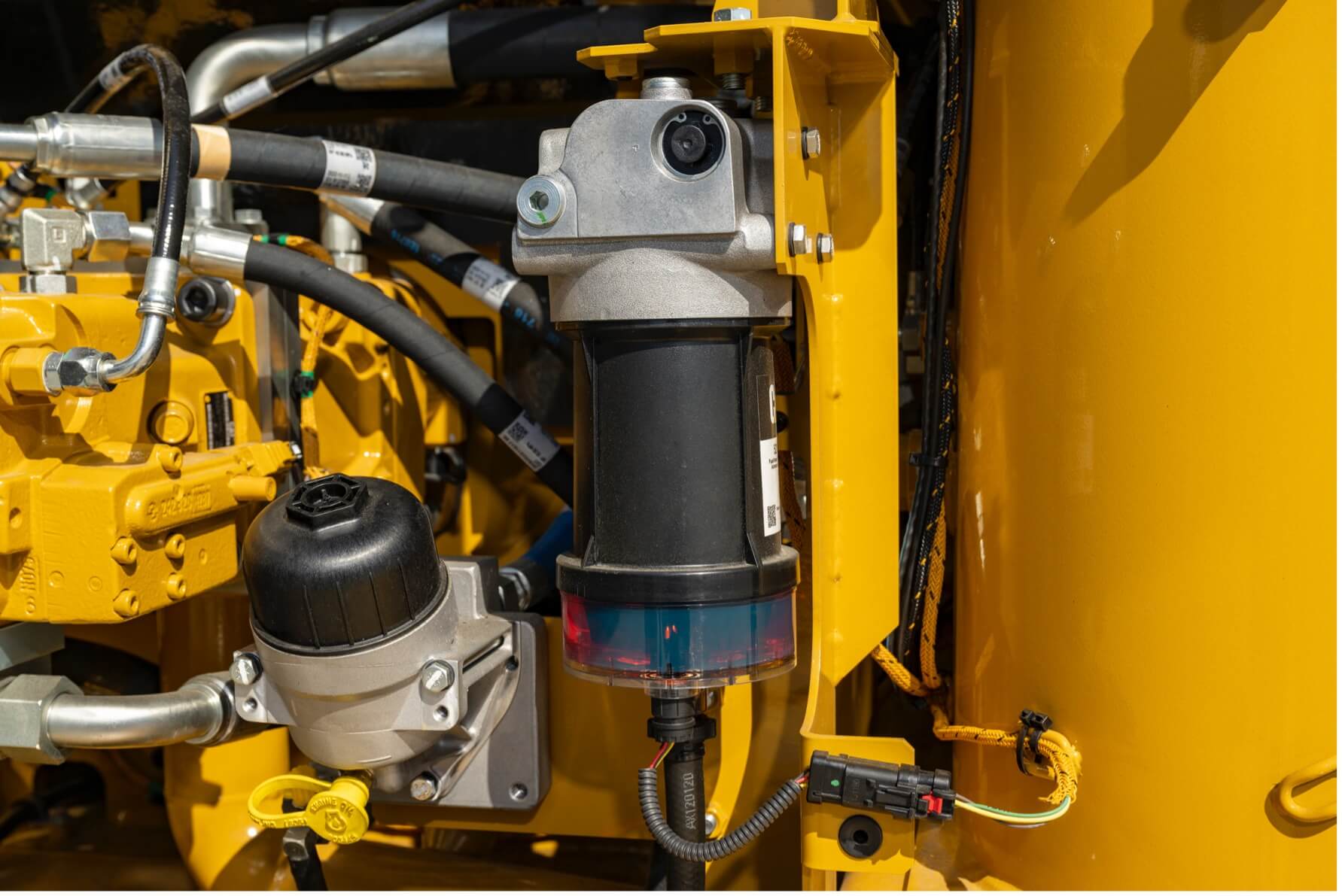
Filters are vital for maintaining the purity of the hydraulic fluid. Contaminants can cause significant damage to system components, leading to reduced efficiency and potential system failures. Regular maintenance and replacement of filters are necessary to ensure the longevity and optimal performance of the hydraulic lift components.
Conclusion
The essential components of a hydraulic lift system”?pumps, hydraulic fluid, cylinders, valves, reservoirs, and filters”?each play a pivotal role in its operation. Understanding these components and their interactions is crucial for anyone involved in the selection, maintenance, or optimization of hydraulic systems. With the right knowledge and application, these systems can achieve high levels of efficiency, safety, and reliability in various industrial applications.