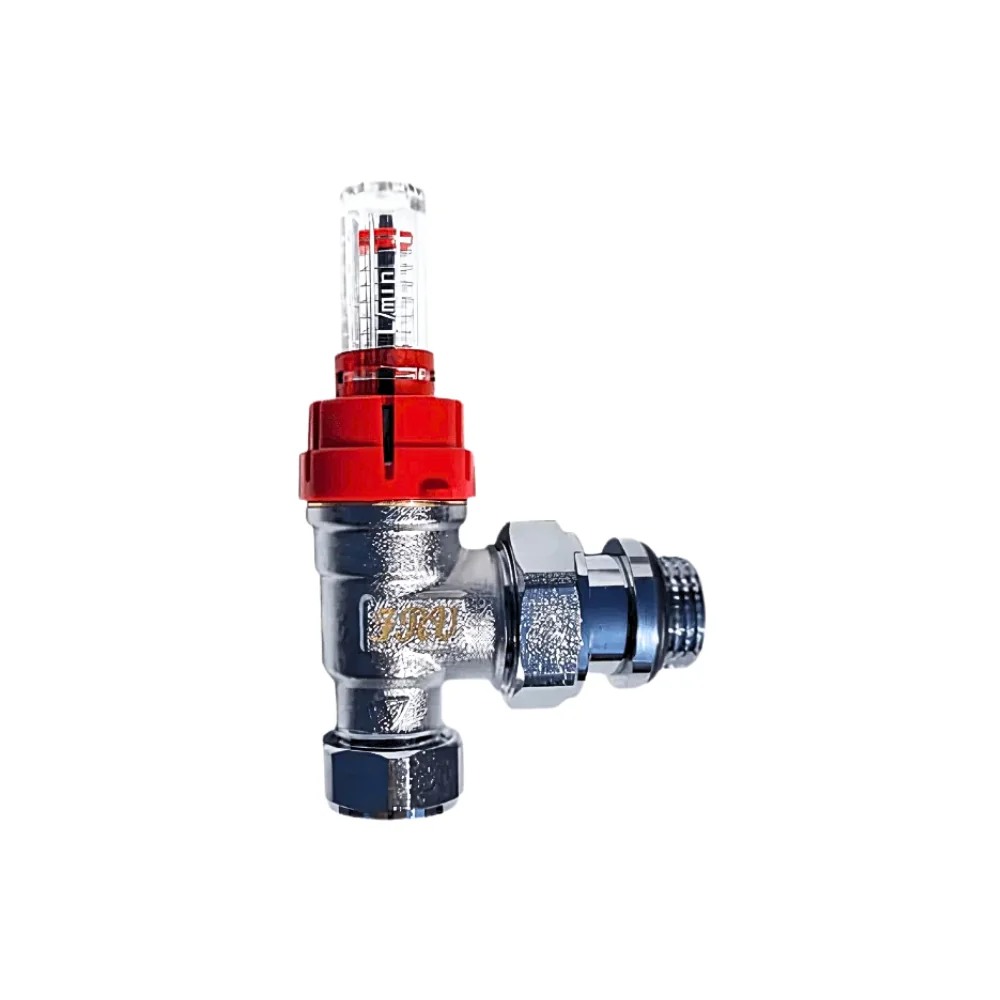
In fluid systems, efficiency is paramount. The seamless operation of these systems depends heavily on the precise control and regulation of fluid flow. Flow valves, particularly flow-regulating valves, play a crucial role in ensuring that fluid systems operate effectively and efficiently. By adjusting the flow rate and pressure, these valves not only optimize performance but also extend the lifespan of the system components. This article explores the significant impact of flow valves in fluid systems, highlighting their function, benefits, and the considerations for selecting the right valve.
The Functionality of Flow Valves
Flow valves are essential components in a fluid system that manage the flow of liquids or gases. By controlling the flow rate, these valves ensure that the system operates under optimal conditions. Flow-regulating valves, such as the FRV Flow Regulating Valves, are particularly effective in maintaining consistent flow rates.
Key Functions
- Regulate flow rate to match system demands.
- Maintain pressure levels to prevent system overload.
- Enhance safety by preventing leaks and system failures.
- Improve energy efficiency by reducing unnecessary flow.
Benefits of Implementing Flow Valves
The integration of flow valves in fluid systems offers numerous benefits that enhance overall system performance and reliability. Understanding these advantages can guide the selection and implementation of the appropriate valves.
Efficiency and Performance
Flow valves significantly contribute to the efficiency of fluid systems. By precisely controlling the flow, they help in reducing energy consumption and minimizing waste. This is particularly critical in industries where energy efficiency is a top priority. Explore advanced guides and tips on how these valves can optimize system performance.
Cost Savings
Implementing flow valves can lead to substantial cost savings over time. By reducing energy usage and minimizing wear and tear on system components, maintenance costs are lowered, and the overall longevity of the system is increased. Find out more about this approach to achieving cost efficiency.
Choosing the Right Flow Valve
Selecting the appropriate flow valve is crucial to maximizing the benefits it offers. Several factors should be considered during the selection process to ensure compatibility and effectiveness within the specific fluid system.
Factors to Consider
- System Requirements: Understand the specific needs of the system, including flow rate and pressure requirements.
- Valve Type: Consider the type of valve that is most suitable for the application, such as ball valves, gate valves, or the versatile FRV Flow Regulating Valves.
- Material Compatibility: Ensure that the valve material is compatible with the fluid to prevent corrosion or degradation.
- Maintenance Needs: Evaluate the maintenance requirements and ease of access for servicing the valve.
Conclusion
The role of flow valves in fluid systems is indispensable for enhancing efficiency and ensuring reliable operation. By carefully selecting and implementing the right flow valves, industries can achieve significant improvements in performance, cost savings, and system longevity. For more detailed insights on optimizing fluid systems, discover expert strategies here.