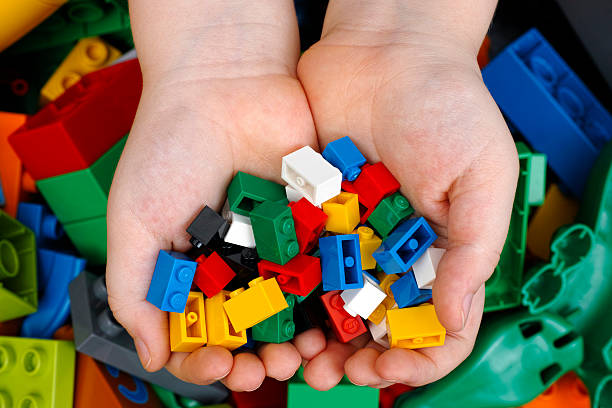
In today’s fast-paced world, communication skills are more important than ever, especially for children and young adults. Enhancing these skills can set the foundation for successful interpersonal relationships and career prospects. One innovative approach that has gained popularity in recent years is LEGO therapy training. This method uses the engaging medium of LEGO bricks to support the development of communication skills, offering a unique blend of play and learning.
Understanding LEGO Therapy
LEGO therapy, originally developed by Dr. Daniel B. LeGoff, is an evidence-based approach that leverages the inherent appeal of LEGO building blocks. The therapy focuses on enhancing social interaction, communication, and problem-solving skills. It is particularly effective for children with autism spectrum disorders (ASD) and other social communication challenges.
The Benefits of LEGO Therapy
LEGO therapy provides a structured yet flexible environment where communication skills can thrive. Some of the benefits include:
- Improved Social Skills: Participants must communicate and collaborate to achieve common goals, fostering teamwork and mutual understanding.
- Enhanced Problem-Solving: Building with LEGO bricks requires planning, negotiation, and decision-making, which are essential life skills.
- Increased Confidence: Successfully completing projects boosts self-esteem and encourages participants to express themselves more freely.
- Fun and Engagement: The playful nature of LEGO therapy encourages participation and sustained interest, making learning enjoyable.
How LEGO Therapy Training Works
Setting Up the Session
Each LEGO therapy session typically involves a group of children who work together on building tasks. The group is usually guided by a trained facilitator who oversees the progress and provides necessary support. The sessions are designed to be inclusive, allowing children of different abilities to participate and benefit.
The Role of the Facilitator
The facilitator plays a crucial role in ensuring the success of the therapy. They guide the participants, encouraging communication and cooperation. Facilitators are trained to recognize the strengths and challenges of each participant, tailoring their approach to meet individual needs.
Building Communication Skills
Through interactive play, children are encouraged to express their ideas, listen to others, and resolve conflicts. These interactions help to:
- Develop verbal and non-verbal communication skills.
- Encourage active listening and feedback.
- Promote understanding and empathy.
The Impact of LEGO Therapy on Communication Development
Research has shown that LEGO therapy can lead to significant improvements in communication skills, particularly for children with ASD. Participants often demonstrate increased verbal interaction, improved eye contact, and a greater willingness to engage in social activities outside the therapy sessions.
By providing a safe and structured environment, LEGO therapy allows participants to practice and refine their communication skills, which can translate into better interactions in everyday life.
Conclusion
In conclusion, LEGO therapy training offers a compelling blend of play and purposeful learning, making it an excellent tool for enhancing communication skills. As more educators and therapists recognize its benefits, the approach continues to gain traction worldwide. To learn more about how this innovative method can support communication development, consider exploring further resources on LEGO therapy training.