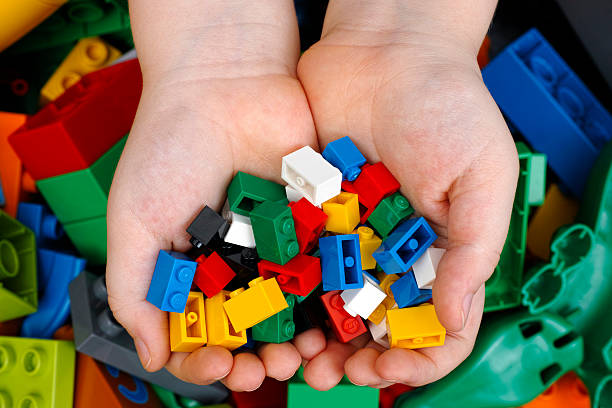
Communication is a fundamental skill that shapes our interactions and relationships. For some individuals, particularly children with developmental challenges, enhancing these skills can be a significant hurdle. One innovative approach that has gained traction is LEGO Therapy Training. By integrating play with therapeutic strategies, this method not only cultivates communication skills but also fosters creativity and teamwork.
Understanding LEGO Therapy
LEGO Therapy is a structured and systematic approach that uses LEGO building activities to assist in the development of social skills. This therapy is particularly beneficial for children with autism and other social communication difficulties. It encourages collaborative play, which is crucial in developing interpersonal skills.
The Core Principles of LEGO Therapy
- Collaboration: Participants work together to build a LEGO model, promoting teamwork and communication.
- Role Assignment: Each participant is assigned a role, such as the Engineer, Supplier, or Builder, to ensure active participation and clear communication.
- Problem-Solving: Participants are encouraged to solve any issues that arise during the building process collaboratively.
Benefits of LEGO Therapy Training
LEGO Therapy training offers a multitude of benefits that extend beyond the immediate goals of improved communication. Here are some of the primary advantages:
- Improved Communication Skills: By engaging in structured play, participants learn to articulate thoughts and negotiate roles effectively.
- Enhanced Social Interaction: Working in groups facilitates better understanding and respect for others’ perspectives.
- Increased Confidence: Successfully completing tasks boosts participants’ self-esteem and encourages further social interactions.
- Development of Fine Motor Skills: Handling LEGO bricks improves dexterity and hand-eye coordination.
Implementing LEGO Therapy in Educational Settings
Schools and educational institutions can integrate LEGO Therapy into their curriculum to support children with communication challenges. By incorporating this therapy, educators can create an inclusive environment that nurtures diverse learning needs.
Steps to Effective Implementation
- Training Educators: Provide LEGO therapy training to teachers and staff to ensure they are well-equipped to facilitate sessions.
- Setting Clear Objectives: Define the goals for each session, focusing on specific communication skills.
- Creating a Supportive Environment: Ensure that sessions are conducted in a positive and encouraging atmosphere.
- Monitoring Progress: Regularly assess the progress of participants to tailor future sessions effectively.
Conclusion
LEGO Therapy Training offers a unique and effective way to enhance communication skills through play. Its structured approach not only develops social interaction and communication but also builds confidence and problem-solving abilities in participants. By embracing this innovative therapy, educators and therapists can provide invaluable support to individuals struggling with communication challenges, thereby paving the way for improved social integration and personal development.