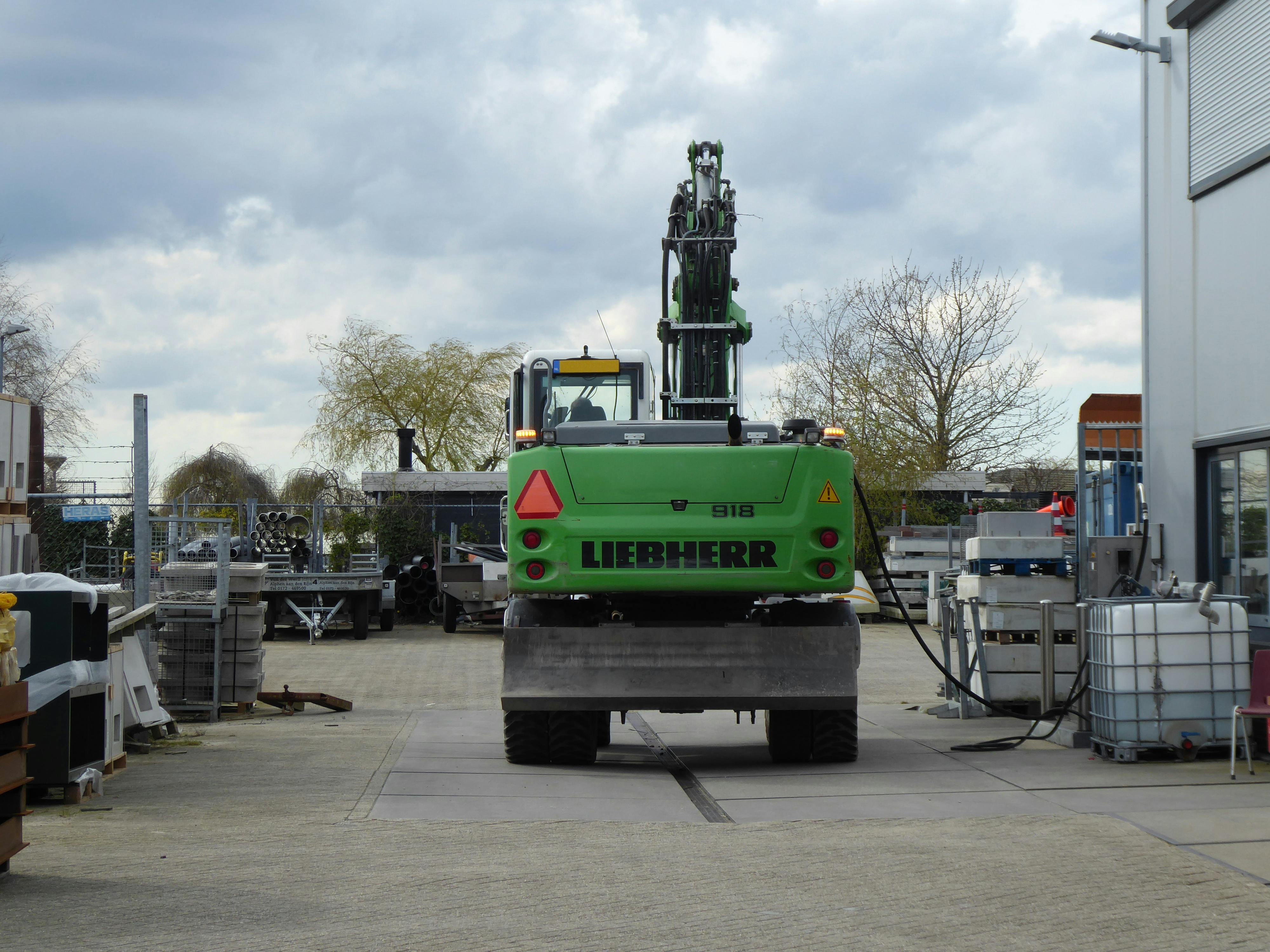
In today’s fast-paced industrial environment, efficiency is no longer a luxury but a necessity. Businesses across sectors are constantly searching for ways to enhance productivity without compromising on quality. One way to achieve this is through the strategic use of quality equipment attachments. These tools not only enhance the capabilities of existing machinery but also extend their life and improve overall operational effectiveness. By investing in the right attachments, businesses can significantly optimize their processes, reduce downtime, and ultimately boost their bottom line.
The Importance of Quality Equipment Attachments
Equipment attachments are essential for businesses seeking to maximize the utility of their machinery. They offer several advantages:
- Versatility: Quality attachments can transform a single piece of machinery into a multi-functional tool, enabling it to perform various tasks efficiently.
- Cost-effectiveness: Investing in attachments is typically more economical than purchasing new equipment, allowing businesses to achieve more with less capital outlay.
- Increased productivity: By enhancing the functionality of existing machinery, attachments help in completing tasks faster and with higher precision.
For further insights into how equipment attachments can enhance productivity, explore advanced guides and tips.
Choosing the Right Attachments for Your Needs
Assessing Operational Requirements
The first step in selecting the right attachments is understanding the specific needs of your operations. Consider the following:
- Task Analysis: Identify the tasks that need improvement or enhancement and consider which attachments can address these requirements.
- Equipment Compatibility: Ensure that the attachments are compatible with the existing machinery to prevent operational issues.
- Quality and Durability: Choose attachments made from high-quality materials to ensure longevity and reliability in demanding environments.
Learn about tailored solutions to help in selecting the most suitable attachments for specific operational needs.
Understanding the Benefits of Technology Integration
Modern equipment attachments often come with advanced technological features that further enhance their utility. Benefits include:
- Automation: Attachments with automation features can reduce the need for manual intervention, thus minimizing errors and increasing efficiency.
- Data Collection: Some attachments are equipped with sensors that collect valuable data to improve decision-making and enhance operational strategies.
- Remote Operation: Advanced attachments allow for remote operation and monitoring, providing flexibility and reducing the need for on-site presence.
To delve deeper into the integration of technology in equipment attachments, discover expert strategies here.
Maximizing Value Through Maintenance and Training
To ensure that equipment attachments deliver maximum value, it is crucial to focus on proper maintenance and training:
- Regular Maintenance: Implement a schedule for routine maintenance to prevent wear and tear, ensuring that attachments function optimally.
- Operator Training: Train operators to handle and utilize attachments effectively, maximizing their potential and reducing the risk of damage.
- Supplier Support: Work with suppliers who offer comprehensive support and advice to maintain the efficiency and longevity of attachments.
For more on maintaining and training for equipment attachment efficiency, find out more about this approach.
Conclusion
Incorporating quality equipment attachments into industrial operations is a strategic move that can significantly boost efficiency and productivity. By carefully selecting attachments that meet specific operational needs and leveraging modern technological advancements, businesses can achieve a competitive edge in today’s market. Emphasizing maintenance and operator training further ensures that these tools continue to provide value over the long term. For those looking to explore this avenue, explore advanced guides and tips to make informed decisions and drive operational success.