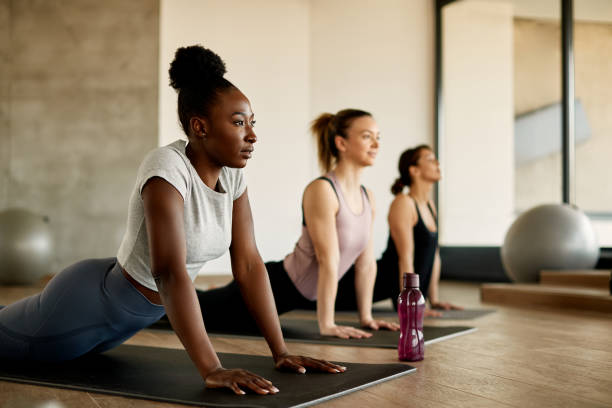
Pilates is a versatile and holistic form of exercise that strengthens the body while promoting mental well-being. Its unique focus on core stability, flexibility, and controlled movement makes it an ideal practice for individuals seeking a balanced workout. As more people discover the benefits of Pilates, the demand for skilled instructors is growing. A comprehensive training program can help aspiring teachers master Pilates techniques, ensuring they can confidently guide others in their practice.
Understanding the Foundations of Pilates
Before diving into advanced techniques, it’s crucial to understand the core principles of Pilates. These foundational elements are essential for both practitioners and instructors, setting the stage for effective workouts.
Core Principles
- Concentration: Ensuring full attention to each movement.
- Control: Executing exercises with precision and awareness.
- Centering: Engaging the core muscles, often referred to as the “powerhouse.”
- Flow: Maintaining smooth, graceful transitions between exercises.
- Precision: Focusing on alignment and correct posture.
- Breath: Coordinating breath with movement to enhance relaxation and focus.
The Importance of a Comprehensive Training Program
A structured pilates training program is vital for those looking to become proficient instructors. Such programs are designed to provide a deep understanding of Pilates methods and teaching techniques.
Key Components of a Training Program
- In-depth study of anatomy and biomechanics to ensure safe practice.
- Detailed instruction on classical and modern Pilates exercises.
- Techniques for effective client communication and motivation.
- Strategies for adapting exercises to suit individual needs and abilities.
- Guidance on creating balanced and engaging class plans.
Advancing Your Skills with a Pilates Teaching Course
Once the foundational elements and basic instruction techniques are mastered, a specialized pilates teaching course can further enhance an instructor’s abilities. These courses offer advanced training, focusing on refining skills and expanding knowledge.
Benefits of Advanced Courses
- Opportunities to learn from experienced instructors and industry leaders.
- Access to cutting-edge research and techniques in the Pilates field.
- Hands-on experience with a variety of Pilates equipment and tools.
- Development of specialized skills for working with different populations, such as athletes or seniors.
- Networking opportunities with other professionals in the fitness industry.
Choosing the Right Training Program
With numerous programs available, selecting the right one can be challenging. Prospective instructors should consider the following factors:
- Accreditation: Ensure the program is recognized by reputable Pilates associations.
- Curriculum: Review the course content to ensure it covers both fundamental and advanced topics.
- Instructors: Look for programs led by experienced and credentialed professionals.
- Format: Choose between in-person, online, or hybrid formats based on personal learning preferences.
- Support: Consider programs that offer ongoing support and resources post-certification.
Final Thoughts
Embarking on a journey to become a Pilates instructor is a rewarding endeavor that requires dedication and a commitment to continuous learning. By investing in a comprehensive pilates training program and a specialized teaching course, aspiring instructors can master essential techniques, refine their skills, and confidently lead others in the practice of Pilates. Whether the goal is personal growth or professional advancement, the knowledge and expertise gained through proper training will pave the way for success in the Pilates community.