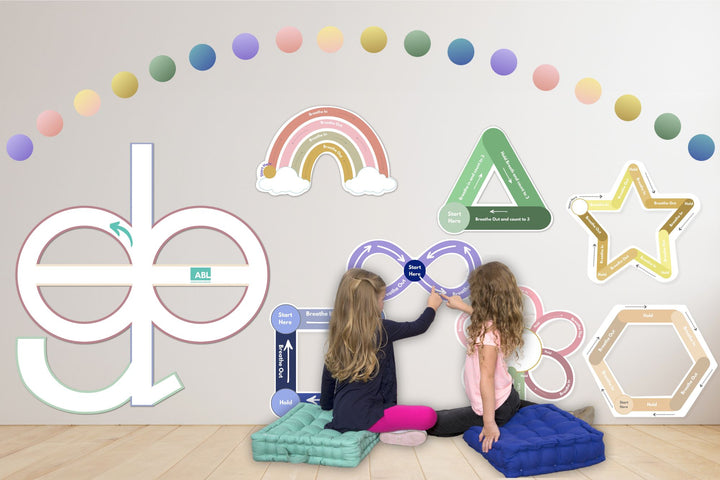
In recent years, innovative teaching techniques have gained momentum within educational settings, focusing on holistic approaches that cater to both physical and mental development. One such approach is the use of yoga balls in classrooms. These flexible seating options have been shown to improve posture and enhance concentration among students. By integrating yoga balls into the classroom, educators can foster a learning environment that supports both cognitive and physical growth, offering a unique alternative to traditional seating arrangements.
The Benefits of Yoga Balls in the Classroom
The introduction of yoga balls as seating options in classrooms has been met with enthusiasm by many educators and students. The benefits are multifaceted, addressing both physical health and cognitive engagement.
- Improved Posture: Sitting on a yoga ball encourages proper spinal alignment, which helps to strengthen core muscles and reduce slouching.
- Enhanced Concentration: The subtle movements required to maintain balance on a yoga ball can help students remain alert and focused during lessons.
- Increased Engagement: The dynamic nature of sitting on a yoga ball can lead to a more active learning environment, where students are more involved and participatory.
Find out more about this approach to improving classroom dynamics by visiting the dedicated page.
Implementing Yoga Balls Effectively
For educators considering the integration of yoga balls, it is essential to approach implementation with a strategic plan. Below are key steps to ensure successful adoption:
Safety Considerations
- Ensure that yoga balls are the appropriate size for students to sit comfortably with feet flat on the ground.
- Conduct regular checks to ensure the balls are properly inflated and free from damage.
- Instruct students on the correct way to sit and balance on the yoga balls to prevent falls.
For more detailed guidelines, educators can explore advanced guides and tips for using yoga balls safely and effectively in the classroom.
Creating a Balanced Environment
While yoga balls offer numerous advantages, a balanced approach is necessary to accommodate all students’ needs:
- Provide a mix of seating options, such as traditional chairs, to cater to diverse preferences and needs.
- Allow students to choose their seating based on their comfort level and learning style.
- Rotate seating arrangements regularly to maintain novelty and engagement.
Educators interested in learning about tailored solutions for classroom environments can discover expert strategies here.
Feedback and Continuous Improvement
Gathering feedback from students and fellow educators is crucial for the continuous improvement of classroom seating arrangements. This feedback can guide adjustments and innovation in teaching practices:
- Conduct regular surveys to assess the impact of yoga balls on student engagement and posture.
- Hold group discussions to gather insights from students on their experiences and preferences.
- Collaborate with other educators to share best practices and challenges faced when using yoga balls in the classroom.
To enhance the effectiveness of these initiatives, educators can learn about our tailored solutions to optimize classroom environments.
Conclusion
Incorporating yoga balls into classroom settings presents an innovative opportunity to improve posture and concentration among students. By carefully planning the implementation process and considering student feedback, educators can create a dynamic and engaging learning environment that supports both physical health and academic achievement. As the educational landscape continues to evolve, such strategies offer valuable insights into fostering holistic development in students. To deepen understanding and refine these practices, educators are encouraged to explore advanced guides and tips on integrating flexible seating options in their classrooms.