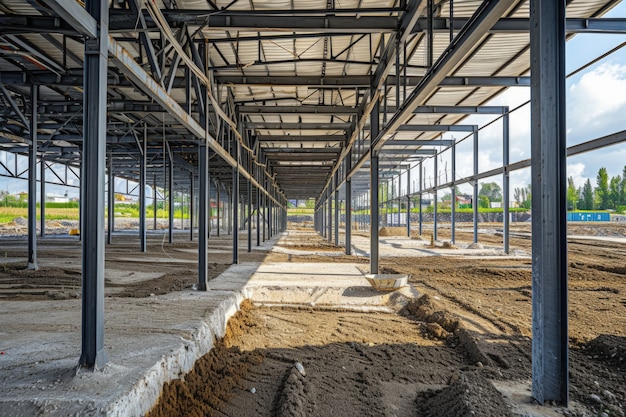
The structural integrity of any building relies heavily on its foundation. As time progresses, various factors such as soil movement, water damage, or construction defects can compromise the stability of a foundation. Foundation underpinning becomes crucial in these scenarios, as it not only restores the stability but also enhances the durability of the foundation. Understanding the significance of this process is vital for property owners and construction professionals alike. This article delves into the essence of foundation underpinning, its benefits, and when it becomes necessary.
What is Foundation Underpinning?
Foundation underpinning is a method used to strengthen and stabilize the foundation of a building. It involves extending the foundation depth or distributing its load across a greater area to accommodate changes and rectify issues.
Key Techniques in Foundation Underpinning
- Mass Pouring: A straightforward technique involving the addition of concrete to the foundation to increase its depth and support.
- Beam and Base Method: Utilizes concrete beams to transfer the load of the building to a more stable soil layer.
- Screw Pile Underpinning: Employs helical steel piers that are screwed into the ground, providing additional support.
- Mini-Piled Underpinning: Useful where access is limited, it involves installing small diameter piles to support the foundation.
For detailed insights into each technique, explore advanced guides and tips here.
When is Foundation Underpinning Necessary?
Identifying the need for underpinning can prevent further damage and costly repairs. Some indicators include:
- Visible Cracks: Large cracks in walls, ceilings, or floors can signify foundation problems.
- Uneven Floors: Sloped or bouncy floors could indicate movement in the foundation.
- Sticking Doors or Windows: Difficulty in opening or closing may result from foundation shifts.
- Water Damage: Persistent water accumulation around the foundation can weaken its structure.
Discover expert strategies to address these issues here.
Benefits of Foundation Underpinning
Investing in foundation underpinning offers several advantages:
- Increased Stability: Strengthens the foundation to prevent further movement and damage.
- Extended Building Lifespan: Enhances the durability and longevity of the structure.
- Improved Property Value: A stable foundation is a significant asset, increasing the property’s market value.
- Safety Assurance: Ensures the building’s safety for occupants by mitigating risks associated with foundation failure.
Learn about tailored solutions to improve property value here.
Choosing the Right Professionals
While understanding underpinning is crucial, selecting the right experts to execute the process is equally important. Trustworthy professionals will assess the foundation thoroughly, suggest the most effective methods, and execute the repairs with precision.
Find out more about this approach here. Additionally, check out customer reviews here to see what others are saying about us.
Conclusion
Foundation underpinning is not merely a repair solution; it is a proactive step towards ensuring the longevity and safety of a building. By addressing foundational issues promptly, property owners can avert potential disasters and maintain the structural integrity of their investments. For those seeking more information, exploring advanced guides and tips on foundation underpinning services can provide valuable insights into maintaining a stable and secure structure.