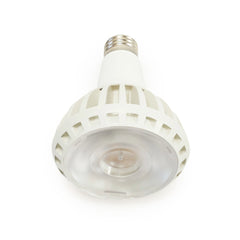
Transforming a garden into a vibrant space often involves more than just choosing the right plants. Lighting plays a crucial role in enhancing plant growth as well as the overall aesthetic of the garden. Full spectrum light bulbs are an innovative solution that provides a broad range of wavelengths, mimicking natural sunlight to support diverse plant needs. These bulbs are designed to optimize plant growth by fostering photosynthesis, regardless of weather conditions or seasonal changes. By utilizing advanced lighting technology, garden enthusiasts can create an environment that sustains plant health and vitality year-round.
Benefits of Full Spectrum Light Bulbs
Full spectrum light bulbs are especially effective in ensuring that plants receive an adequate level of light that mimics natural sunlight. Here are some key benefits:
- Support all stages of plant growth, from seedling to flowering.
- Enhance photosynthesis, leading to healthier plants.
- Reduce plant stress by providing consistent lighting conditions.
- Improve the aesthetic appeal of gardens with natural-like light.
- Energy-efficient, lowering utility costs over time.
For those interested in harnessing these benefits, it is worth exploring advanced guides and tips available on the grow light bulb collection.
Understanding the Science Behind Full Spectrum Lighting
What Makes Full Spectrum Light Bulbs Unique?
Full spectrum light bulbs emit a balance of cool and warm light that closely resembles the natural solar spectrum. This includes ultraviolet (UV), visible, and infrared (IR) light, which are essential for various plant processes. The inclusion of UV light, for instance, can enhance the production of essential oils in some plants, while IR light contributes to flowering and fruiting.
How Full Spectrum Lighting Affects Plant Health
The impact of full spectrum lighting on plant health is profound. By providing a continuous spectrum of light, these bulbs facilitate:
- Chlorophyll production, boosting energy absorption.
- Robust root development and stem strength.
- Improved leaf coloration and texture.
- Higher yields in fruit and flower production.
To delve deeper into how full spectrum lighting can be tailored to specific plant needs, learn about tailored solutions here.
Choosing the Right Full Spectrum Light Bulbs for Your Garden
Selecting the appropriate full spectrum light bulb involves understanding the specific needs of your garden. Consider the following factors:
- Type of Plants: Different plants have varying light requirements. Research plant-specific needs.
- Size of the Garden: Larger spaces may require multiple bulbs for even coverage.
- Light Intensity: Ensure the bulb provides sufficient lumens for effective growth.
- Energy Efficiency: Opt for LED options to minimize energy consumption.
For a comprehensive approach to selecting the right lighting, find out more about this approach by visiting the expert resources provided.
Conclusion
Integrating full spectrum light bulbs into a garden setup is a strategic move for both amateur and professional gardeners looking to enhance plant health and growth. By imitating natural sunlight, these bulbs offer a consistent and reliable light source that supports all stages of plant development. Whether the goal is to boost yield, improve aesthetics, or decrease energy costs, full spectrum lighting is a viable and effective solution.
For more insights and detailed strategies, interested parties can discover expert strategies here.