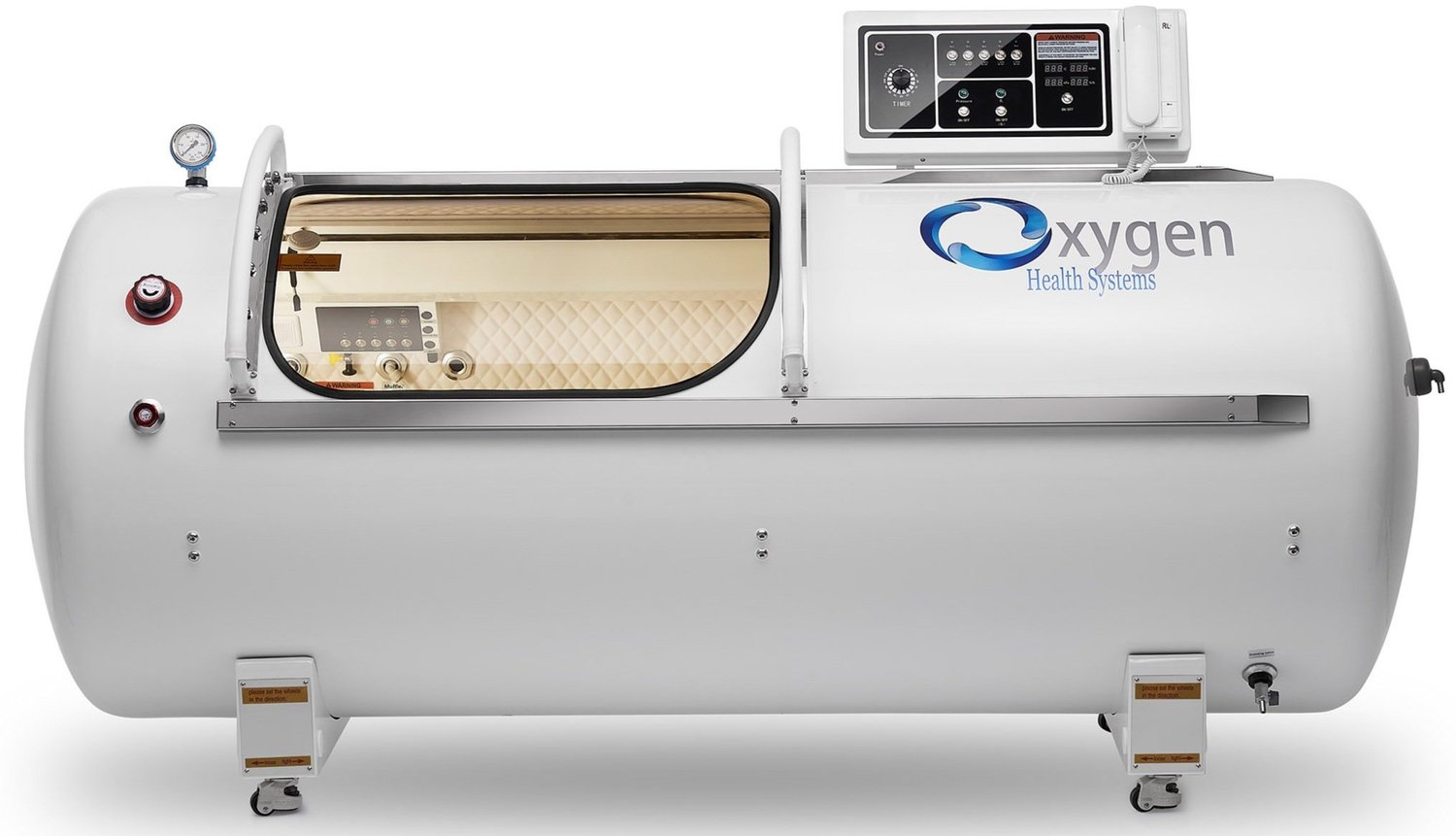
Lyme disease, a condition transmitted through tick bites, poses a significant health challenge for many individuals. The symptoms can vary but often include fatigue, joint pain, and neurological issues, making it a debilitating disease for some. Hyperbaric Oxygen Therapy (HBOT) has emerged as a promising intervention for Lyme disease sufferers. This comprehensive guide delves into the intricacies of HBOT, its benefits, and considerations for those exploring this treatment option.
Understanding HBOT
Hyperbaric Oxygen Therapy involves breathing pure oxygen in a pressurized chamber. This process increases oxygen levels in the blood, promoting healing and combating infections. For Lyme disease patients, HBOT may offer relief by:
- Enhancing the body’s natural healing processes.
- Improving the efficacy of antibiotics.
- Reducing inflammation and alleviating symptoms.
To understand more about how HBOT can be tailored to individual needs, explore advanced guides and tips.
Benefits of HBOT for Lyme Disease
Patients with Lyme disease may find several benefits from undergoing HBOT:
- Pain Reduction: Increased oxygen levels can help alleviate joint and muscle pain.
- Neurological Improvement: Patients often report enhanced cognitive functions.
- Enhanced Energy Levels: Oxygen-rich blood can reduce fatigue, a common symptom of Lyme disease.
To learn about how these benefits are applied in treatment plans, find out more about this approach.
HBOT Treatment Protocols
HBOT is not a one-size-fits-all treatment. Protocols can vary based on the severity of symptoms and individual patient needs.
Typical Session Structure
During an HBOT session, patients can expect:
- A comfortable chamber environment.
- Sessions lasting between 60 to 120 minutes.
- A series of treatments, often spanning several weeks.
For a deeper understanding of session protocols, discover expert strategies here.
Considerations and Precautions
While HBOT can provide significant benefits, it is essential to consider the following:
- Medical Evaluation: Prior to starting HBOT, a thorough medical evaluation is crucial.
- Side Effects: Some patients might experience mild discomfort, such as ear pressure.
- Contraindications: Not suitable for individuals with certain medical conditions, like lung disease.
Understanding these considerations can guide informed decisions. Learn about our tailored solutions for Lyme disease treatment.
Conclusion
Hyperbaric Oxygen Therapy offers a promising adjunctive treatment for those suffering from Lyme disease. By enhancing the body’s ability to heal and reducing symptoms, HBOT can significantly improve quality of life. Patients interested in this therapy should consult with healthcare professionals to determine its suitability and potential benefits. For more detailed insights and personalized guidance, explore advanced guides and tips on this evolving therapeutic approach.