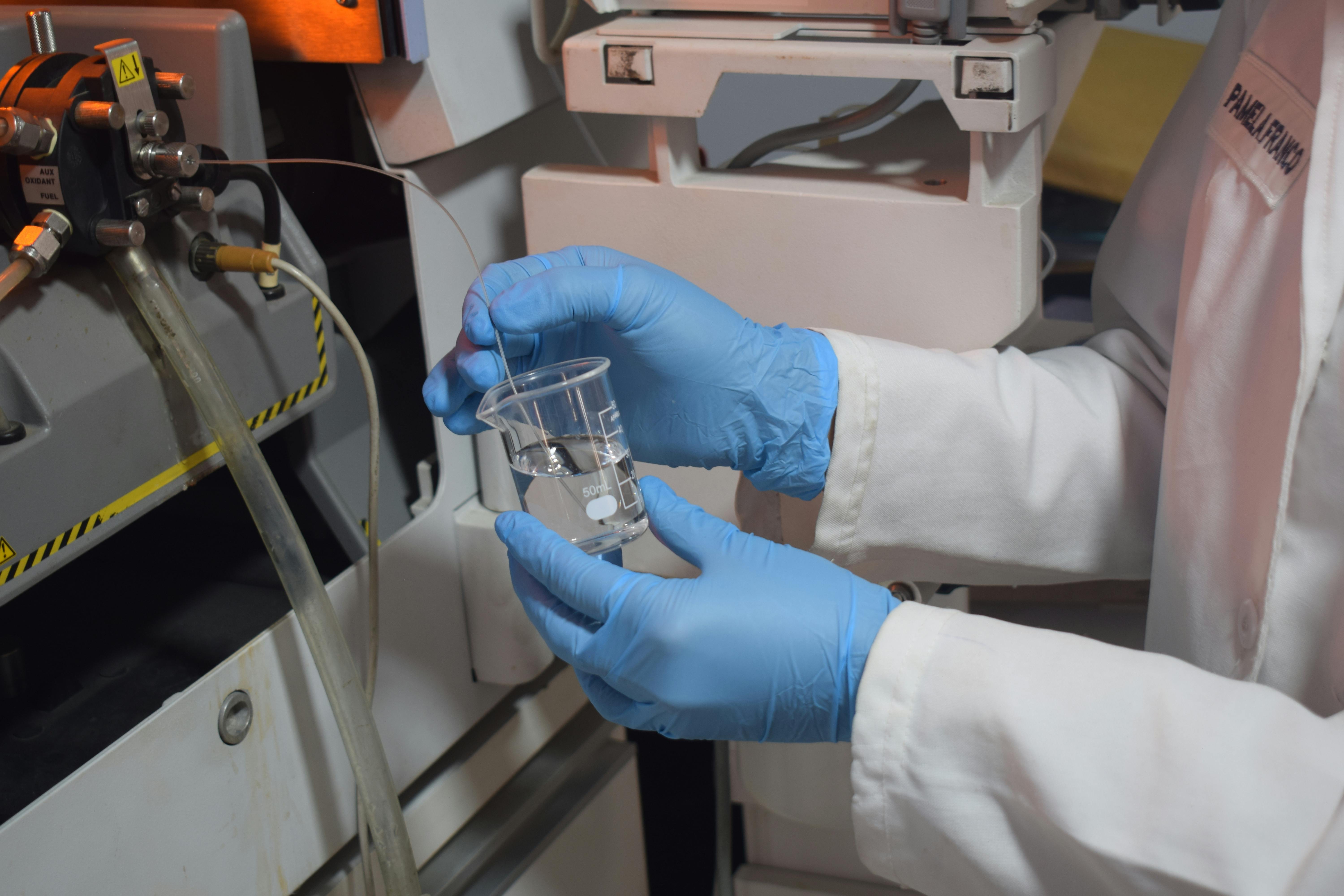
Ensuring access to safe and clean water is a top priority for both public health and environmental sustainability. Bacteriological water testing kits have become essential tools in monitoring water quality, safeguarding against harmful contaminants, and ensuring compliance with health standards. These kits are widely used in various sectors, including residential, commercial, and industrial applications. This article delves into the importance of bacteriological water testing kits, what features to look for, and how to choose the right one to meet specific needs.
Understanding Bacteriological Water Testing Kits
Bacteriological water testing kits are designed to identify and quantify bacteria in water. These kits play a crucial role in detecting pathogens that can cause diseases, such as E. coli, coliforms, and Legionella. Regular testing is essential to maintain water safety and ensure compliance with health regulations.
Key Features to Consider
- Accuracy: High precision is vital for detecting even the smallest traces of bacteria to ensure water safety.
- Ease of Use: Kits should be user-friendly, allowing individuals without a scientific background to conduct tests effectively.
- Speed: Quick turnaround times provide timely results, which are essential for prompt action if contamination is detected.
- Comprehensive Testing: A reliable kit should test for a wide range of bacteria to cover different contamination scenarios.
- Portability: Lightweight and compact kits are ideal for field testing, making them convenient for on-site evaluations.
To explore advanced guides and tips on selecting the best bacteriological water testing kit, find out more about this approach.
Applications of Bacteriological Water Testing
The versatility of bacteriological water testing kits makes them suitable for a variety of applications:
- Residential: Homeowners can regularly test their private wells or water supplies to ensure safe drinking water.
- Environmental Monitoring: Testing bodies of water such as lakes, rivers, and reservoirs for bacterial contamination.
- Commercial: Businesses such as hotels, restaurants, and food processing facilities use these kits to comply with health regulations.
- Industrial: Factories and treatment plants employ testing kits to monitor effluent discharge and ensure environmental compliance.
- Public Health: Government agencies and NGOs use testing kits in disaster-stricken areas to assess water quality.
For tailored solutions in different sectors, learn about our tailored solutions.
Choosing the Right Testing Kit
With various options available in the market, selecting the right bacteriological water testing kit can be a daunting task. Consider the following factors to make an informed decision:
- Purpose: Determine the specific needs, whether it’s for routine checks, emergency situations, or compliance testing.
- Budget: Balance between cost and features. While some kits might be more expensive, they offer higher accuracy and additional functionalities.
- Certification: Look for kits that meet industry standards and are certified by recognized health organizations.
- Customer Reviews: Feedback from other users can provide insights into the kit’s reliability and performance.
- Support and Resources: Choose suppliers that offer comprehensive support and educational resources to enhance user experience.
To discover expert strategies for choosing the right kit, explore advanced guides and tips.
Conclusion
Bacteriological water testing kits are indispensable tools in ensuring water safety across various domains. By understanding their features, applications, and selection criteria, individuals and organizations can make informed decisions to protect public health and the environment. For further insights into effective water quality management, discover expert strategies here.