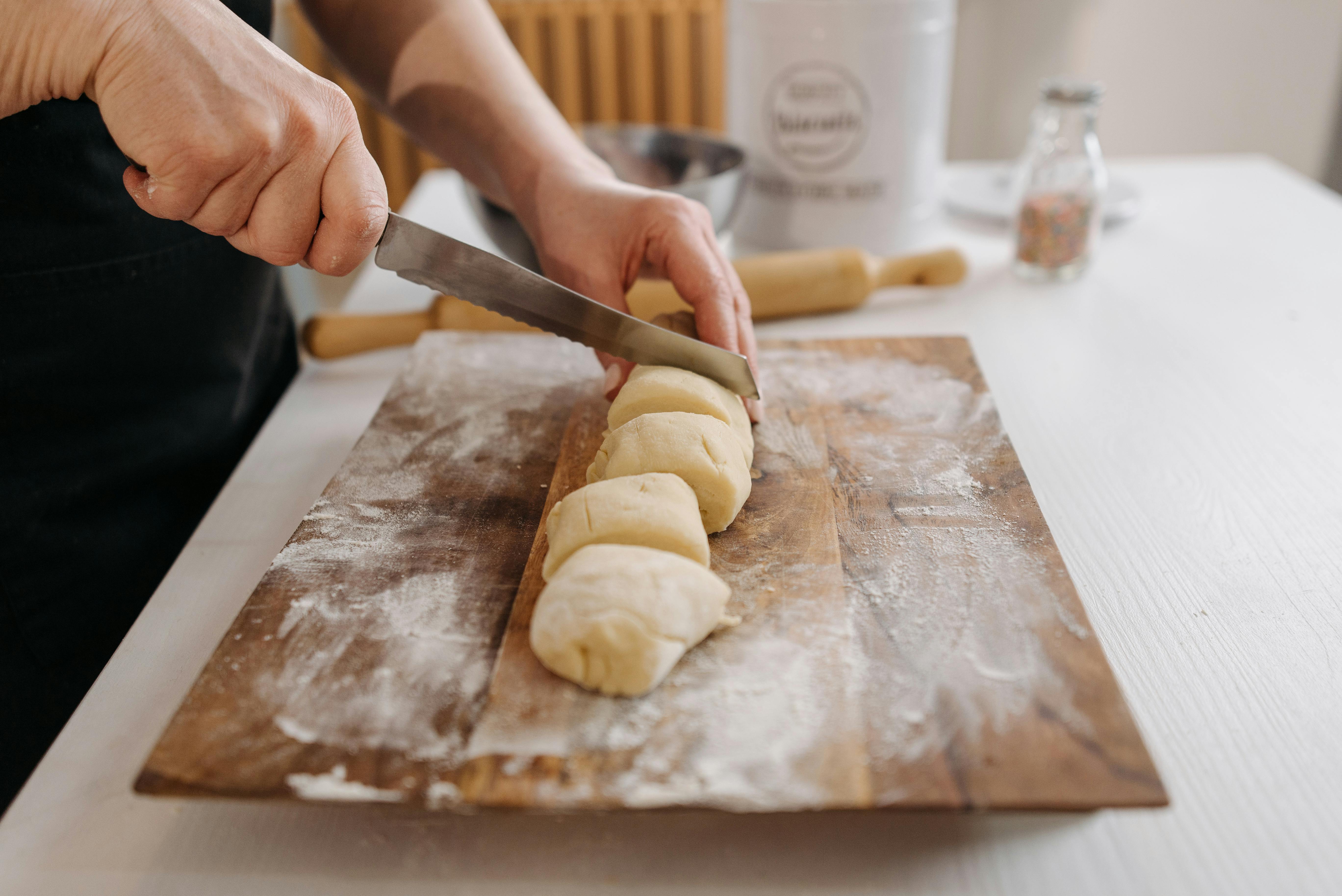
Cooking is an essential life skill that not only helps you maintain a healthy lifestyle but also provides a sense of accomplishment when you create something delicious with your own hands. For beginners, the kitchen can be a daunting place with all its tools, techniques, and terminology. However, with a little guidance and practice, anyone can become competent in cooking. This guide is designed to help beginners navigate the world of cooking and develop essential skills. Whether you’re starting from scratch or looking to refine your existing abilities, these insights will set you on the right path.
Understanding Basic Cooking Techniques
Familiarizing yourself with basic cooking techniques is the first step in mastering the art of cooking. Here are some fundamental techniques every beginner should know:
- Boiling: Cooking food in water at 100?C (212?F). Commonly used for pasta, vegetables, and eggs.
- Saut?ing: Cooking food quickly in a small amount of oil over high heat. Ideal for vegetables and thin cuts of meat.
- Baking: Cooking food using dry heat in an oven. Perfect for bread, pastries, and casseroles.
- Grilling: Cooking food using direct heat from below. Great for meats and vegetables.
To delve deeper into these techniques, explore further insights here.
Essential Tools for Every Beginner
Equipping your kitchen with the right tools will make your cooking journey smoother and more enjoyable. Here are some must-have tools for beginners:
- Chef’s Knife: A versatile knife for chopping, slicing, and dicing.
- Cutting Board: Provides a safe surface for cutting ingredients.
- Measuring Cups and Spoons: Essential for accurately measuring ingredients.
- Non-Stick Frying Pan: Ideal for saut?ing and frying without food sticking.
- Mixing Bowls: Useful for mixing ingredients and preparing batters.
For a comprehensive list and detailed descriptions of essential kitchen tools, find additional information here.
Learning Through Practice
Start with Simple Recipes
Beginning with simple recipes is a great way to build confidence and skills in the kitchen. Consider starting with dishes that require minimal ingredients and steps, such as:
- Scrambled Eggs
- Grilled Cheese Sandwich
- Spaghetti Aglio e Olio
- Basic Stir-Fry
As you gain confidence, gradually move on to more complex recipes. Learn more in this detailed guide about progressing in cooking.
Practice Makes Perfect
Like any skill, cooking improves with practice. Dedicate time each week to try new recipes and techniques. Keep a cooking journal to track your progress and refine your skills. Over time, you will notice significant improvements in your cooking abilities.
Exploring Flavors and Ingredients
Developing an understanding of various ingredients and flavors can significantly enhance your cooking. Experiment with different spices and herbs to create unique flavor profiles. Don’t be afraid to try new ingredients and combinations. Read more about this topic to expand your culinary repertoire.
Mastering cooking skills is a journey that requires patience, practice, and a willingness to learn. By understanding basic techniques, equipping your kitchen with essential tools, and exploring new flavors, you can transform from a beginner to a confident home cook. Remember, every great chef started as a beginner, and with dedication, you can achieve culinary success too.